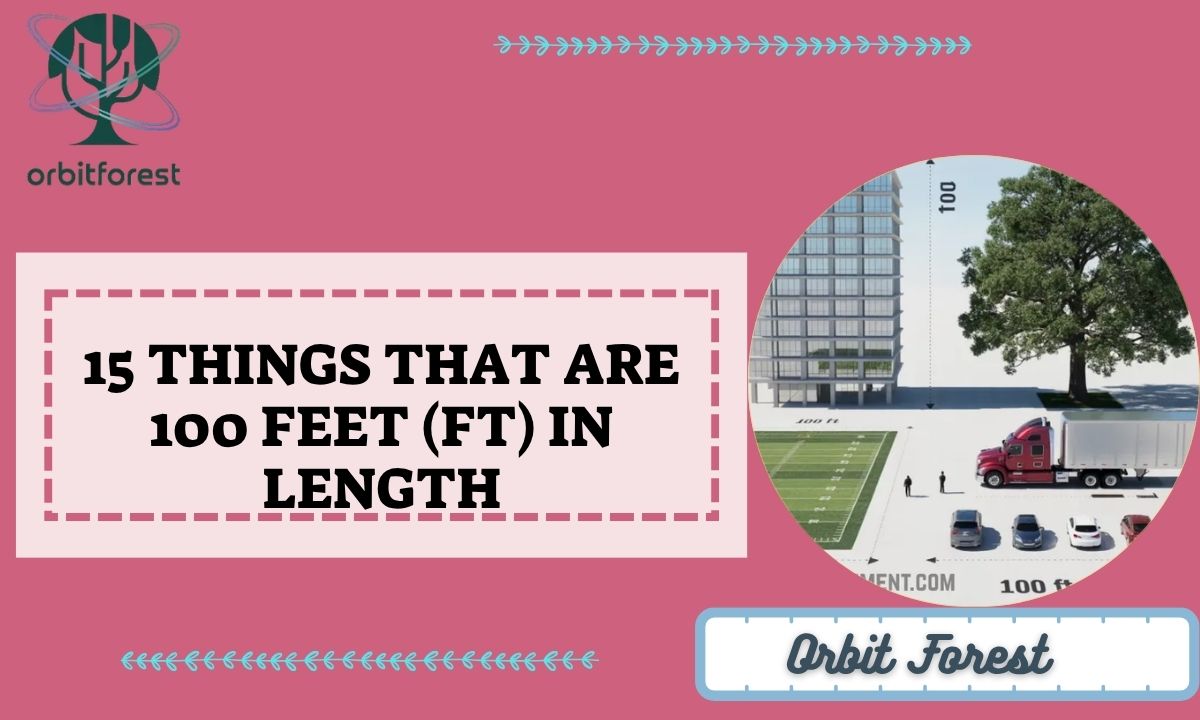
Understanding how long 100 feet really is can be difficult without real-life examples. Many everyday objects, buildings, and sports fields are close to this size, making it easier to imagine the distance. From giant trees to airplanes, 100 feet appears in many surprising places around us.
In this article, you will discover 15 things that are 100 feet in length and learn how this measurement compares to familiar objects. These simple comparisons will help you quickly visualize 100 feet in a fun and easy way.
What Measures 100 Feet in Length?
A 100-foot length equals:
| Unit | Equivalent |
| Meters | 30.48 meters |
| Yards | 33.33 yards |
| Inches | 1,200 inches |
| Kilometers | 0.03048 km |
| Miles | 0.0189 miles |
| Centimeters | 3,048 cm |
Many everyday structures, vehicles, and natural objects are close to this size. Here are some of the best examples of things that are 100 feet long.
What Measures 100 Feet in Length?
Below are some common examples that help visualize 100 feet easily:
| Category | Examples |
| Buildings | 10-story building |
| Sports | One-third football field |
| Nature | Blue whale, oak tree |
| Transport | Boeing 737-500 |
| Recreation | Basketball court |
| Water Sports | Kayaks, swimming pool |
A 10-Story Building
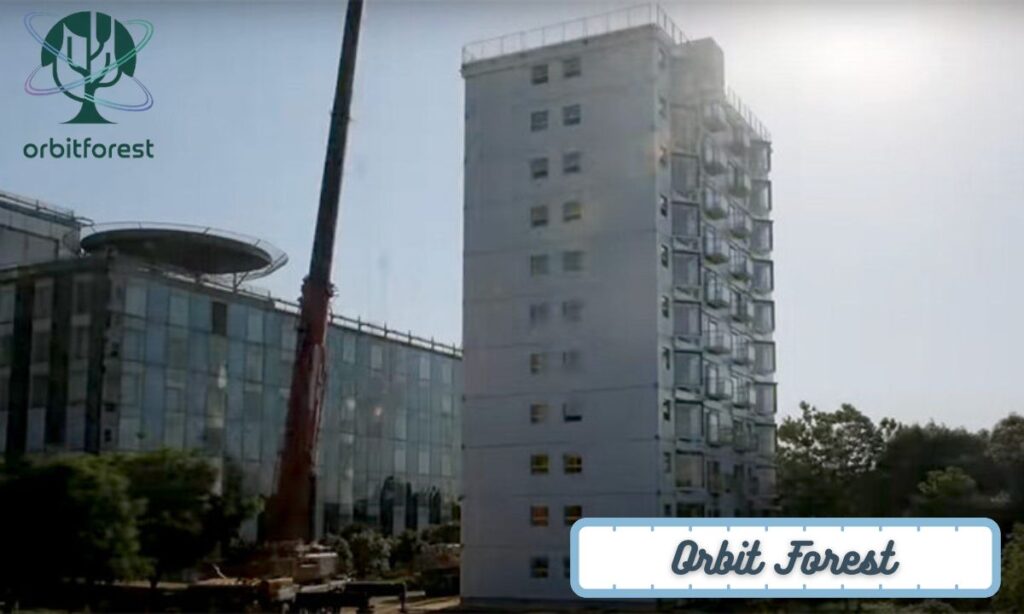
Most modern buildings have floors that measure around 10 feet in height. A building with 10 stories therefore reaches close to 100 feet tall.
This is one of the easiest ways to picture 100 feet vertically. If you stand beside a mid-sized apartment building or hotel, you are likely looking at something near the 100-foot mark.
One-Third of a Football Field
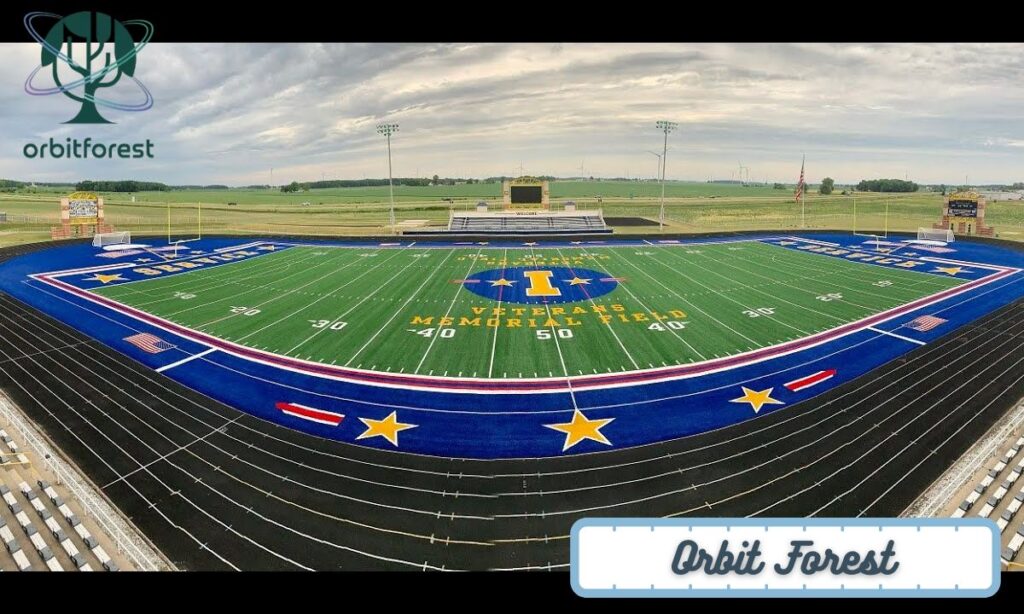
A standard American football field measures 300 feet long. One-third of that field equals exactly 100 feet. This comparison is popular because football fields are familiar to many people. Running from the goal line to the 33-yard line covers about 100 feet.
Two School Buses Parked End to End

A typical school bus measures around 40–45 feet in length. Two and a half buses lined up together equal approximately 100 feet. This example gives a strong visual reference for understanding long distances on roads, parking lots, or open grounds.
A Large Oak Tree
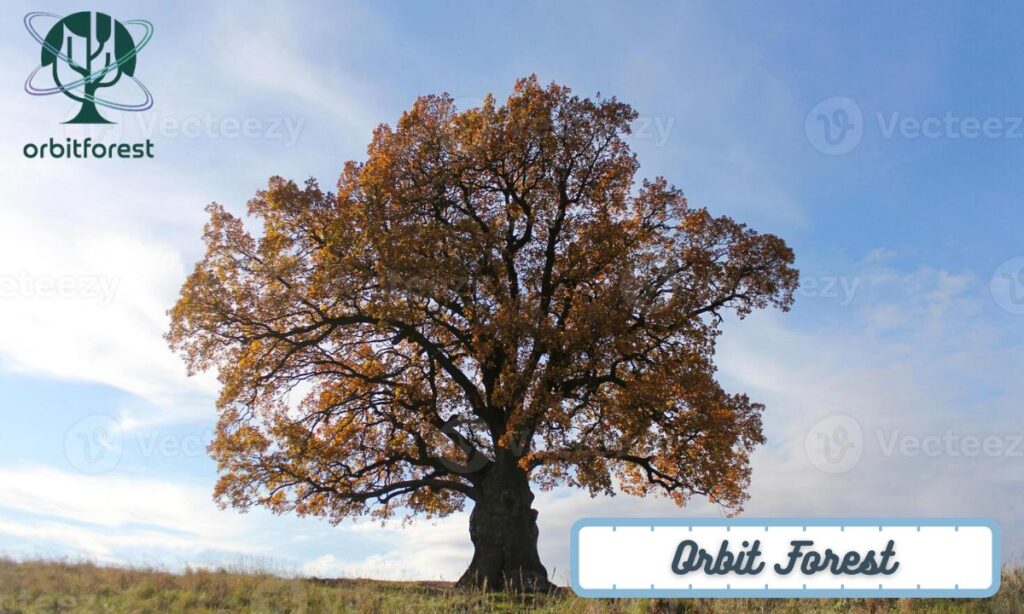
Large mature oak trees can grow between 80 and 100 feet tall. These trees are often found in forests, parks, and old neighborhoods. Standing beside a fully grown oak tree gives a clear idea of how tall 100 feet really looks in nature.
A Blue Whale
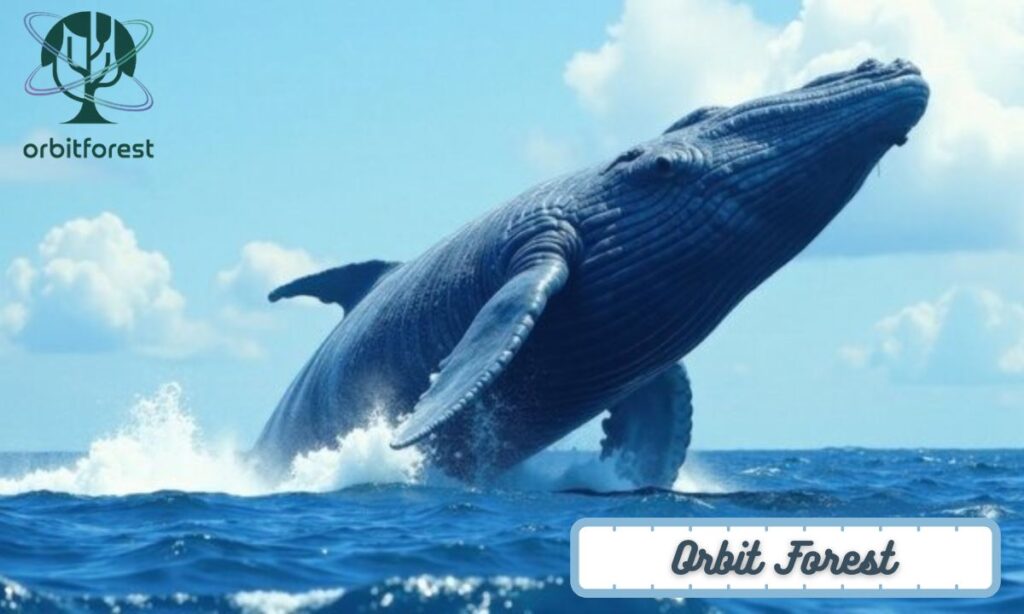
The blue whale is the largest animal on Earth. Adult blue whales can reach lengths of up to 100 feet. Their enormous size makes them one of the best natural examples of a 100-foot object. A single whale can be longer than several cars parked together.
The Boeing 737-500

The Boeing 737-500 aircraft measures roughly 101 feet long from nose to tail. If you have ever seen this airplane at an airport, then you already have a good idea of how long 100 feet looks in real life.
20x The Heart of a Blue Whale
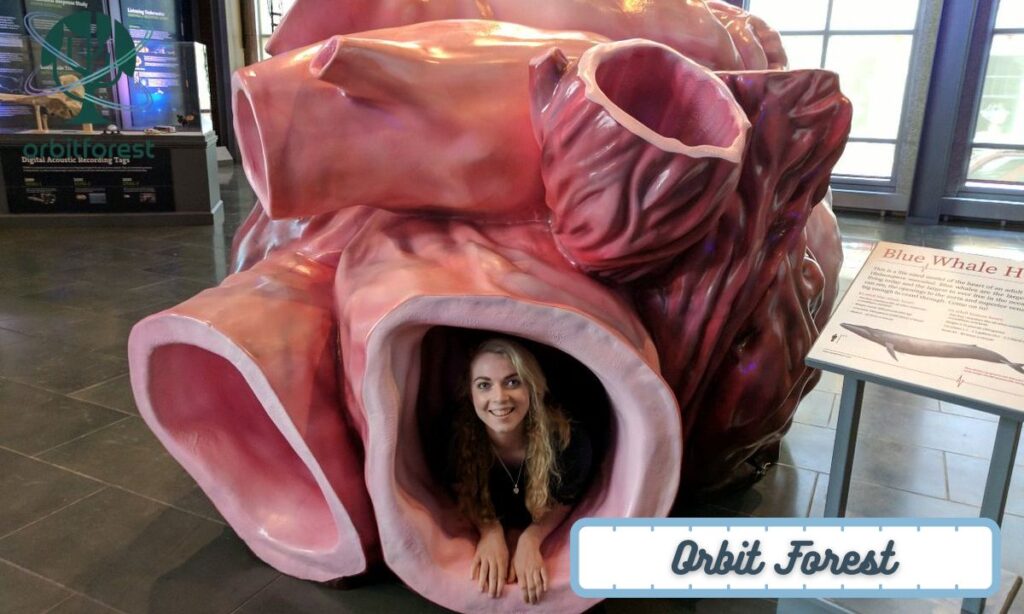
A blue whale’s heart measures around 5 feet in size. If you place 20 whale hearts in a straight line, the total length becomes about 100 feet. This comparison shows how massive even the organs of a blue whale can be.
Alligators
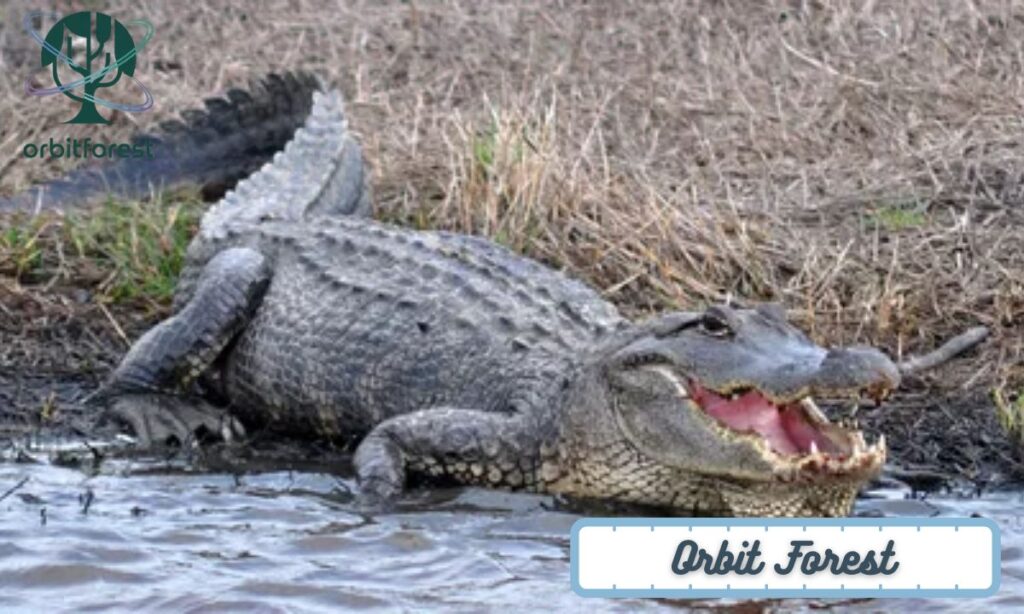
An average adult alligator measures about 10 feet long. Lining up 10 alligators from head to tail would create a total length of around 100 feet. This example helps visualize 100 feet using wildlife measurements.
10x Kayaks
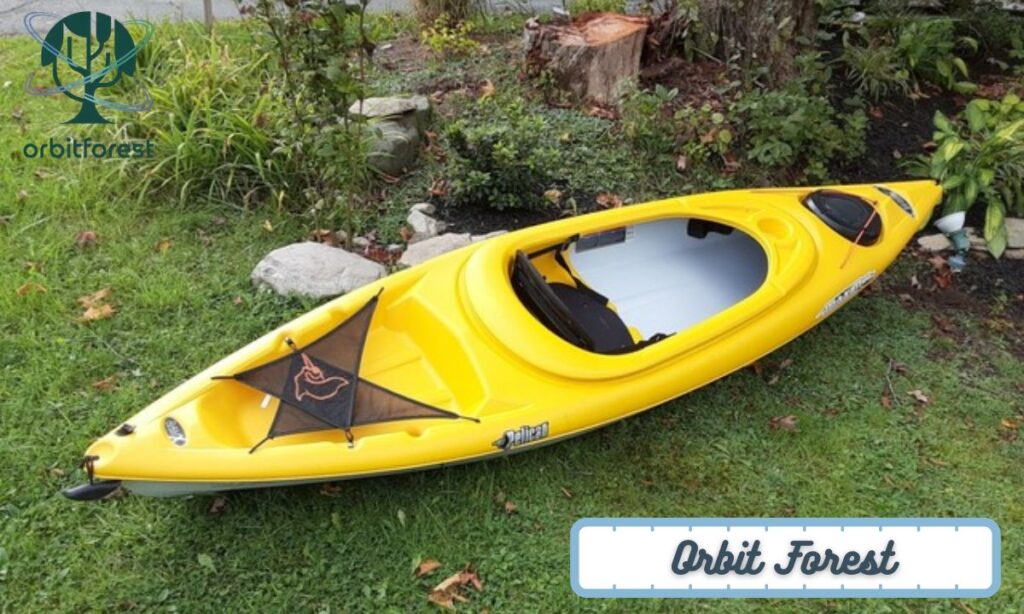
Most recreational kayaks are approximately 10 feet long. Ten kayaks placed end to end would stretch close to 100 feet. This comparison is useful for people familiar with outdoor sports and water activities.
The Eastern Cottonwood Tree
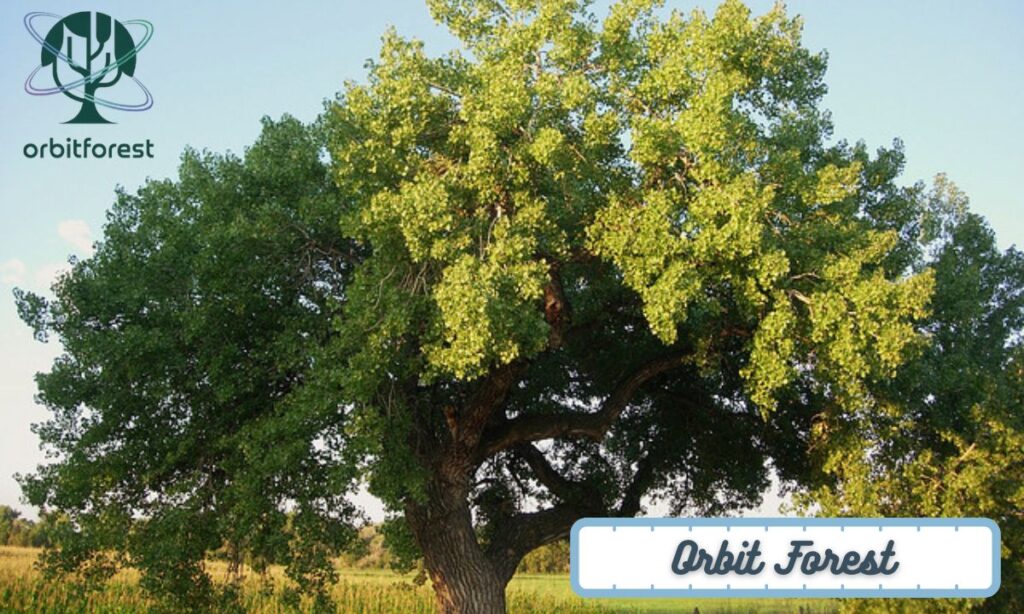
The Eastern Cottonwood is one of the fastest-growing trees in North America. Mature trees can grow nearly 100 feet tall. These trees are commonly found near rivers, parks, and forests.
Read This 11 Common Things That Are 8 Inches Long
A Small Rope Bridge or Zipline
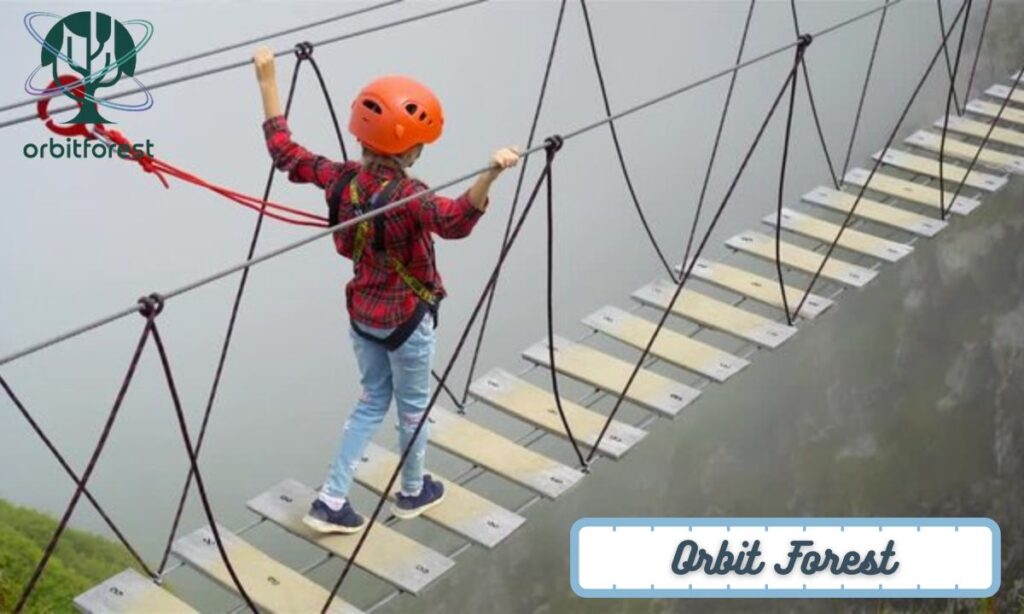
Many small rope bridges and adventure park ziplines range between 80 and 120 feet long. A 100-foot zipline gives riders a perfect sense of distance and height while crossing rivers or open spaces.
A Hockey Rink Width
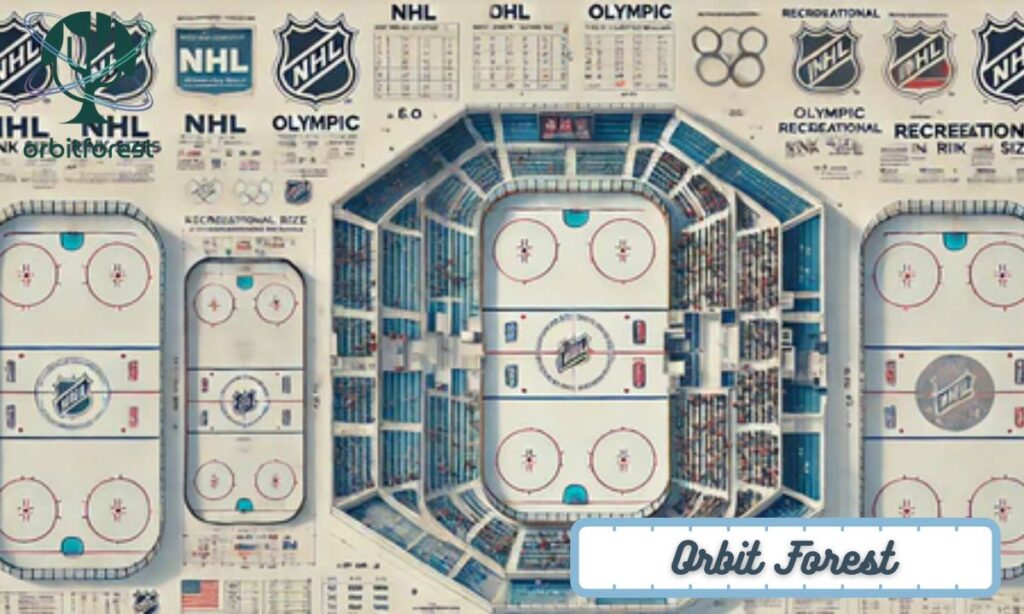
A standard hockey rink is approximately 100 feet wide. This measurement creates enough playing space for fast movement, teamwork, and exciting gameplay during hockey matches.
A Basketball Court
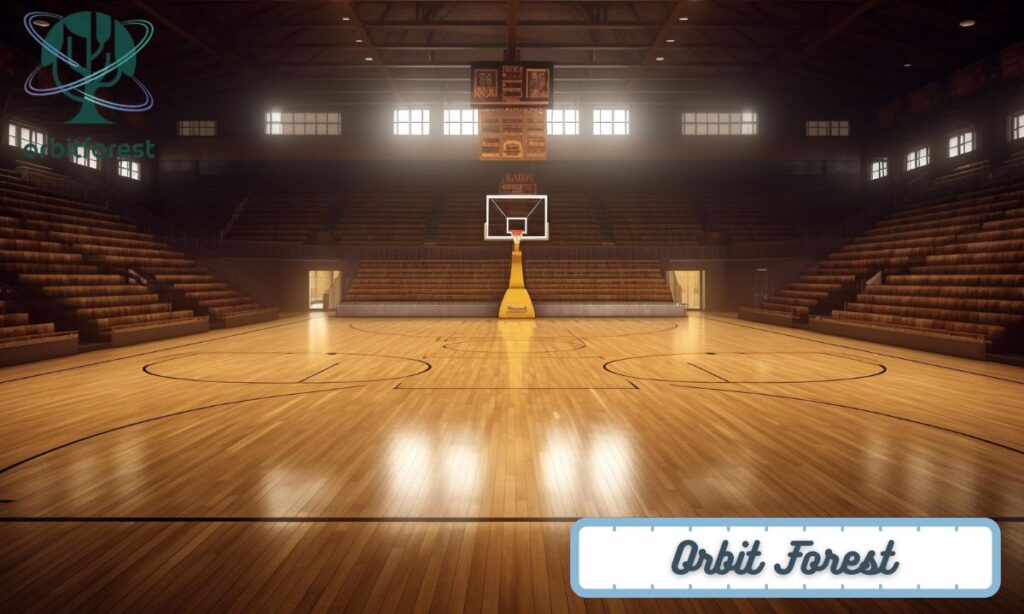
An NBA basketball court measures 94 feet in length, which is very close to 100 feet. Adding just a few extra feet makes it an excellent comparison for understanding 100-foot distances.
10 Basketball Hoop
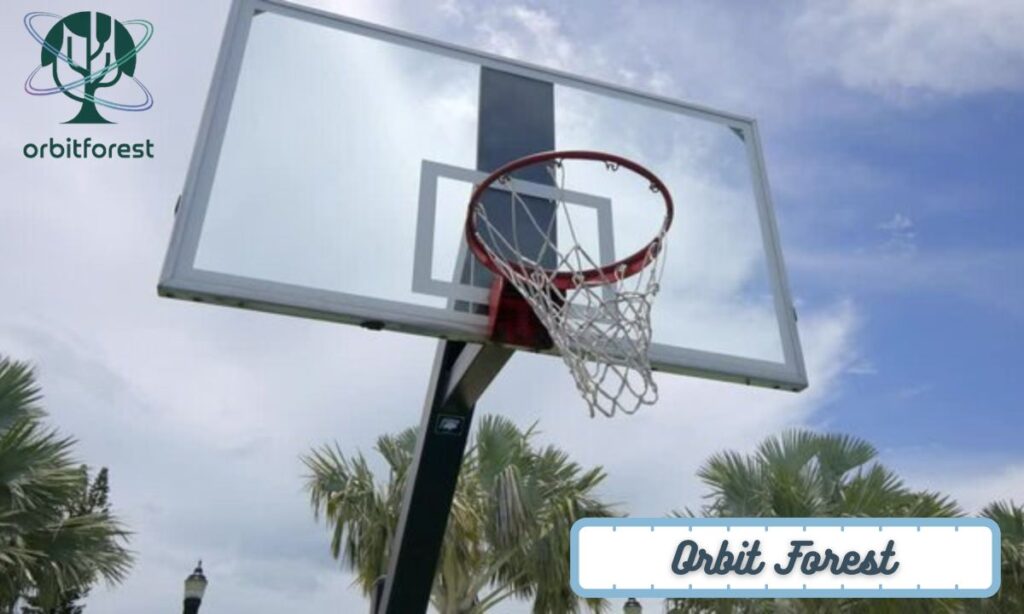
A regulation basketball hoop stands 10 feet high. Stacking 10 hoops vertically would create a height of about 100 feet. This comparison helps basketball fans easily imagine the scale.
Twice The Hollywood Sign

The famous Hollywood Sign in Los Angeles stands about 50 feet tall. Doubling its height gives approximately 100 feet. This iconic landmark makes a memorable size comparison.
2/3 of Olympic Swimming Pool
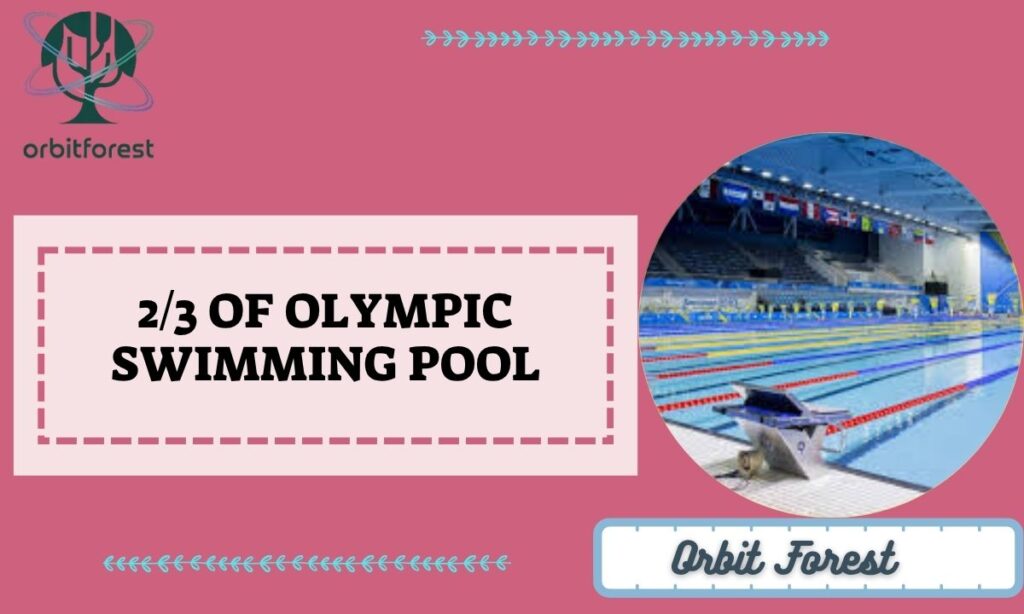
An Olympic swimming pool measures 164 feet long. Two-thirds of the pool equals close to 100 feet. Competitive swimmers regularly cover this distance during practice and races.
Two Semi-Trailers
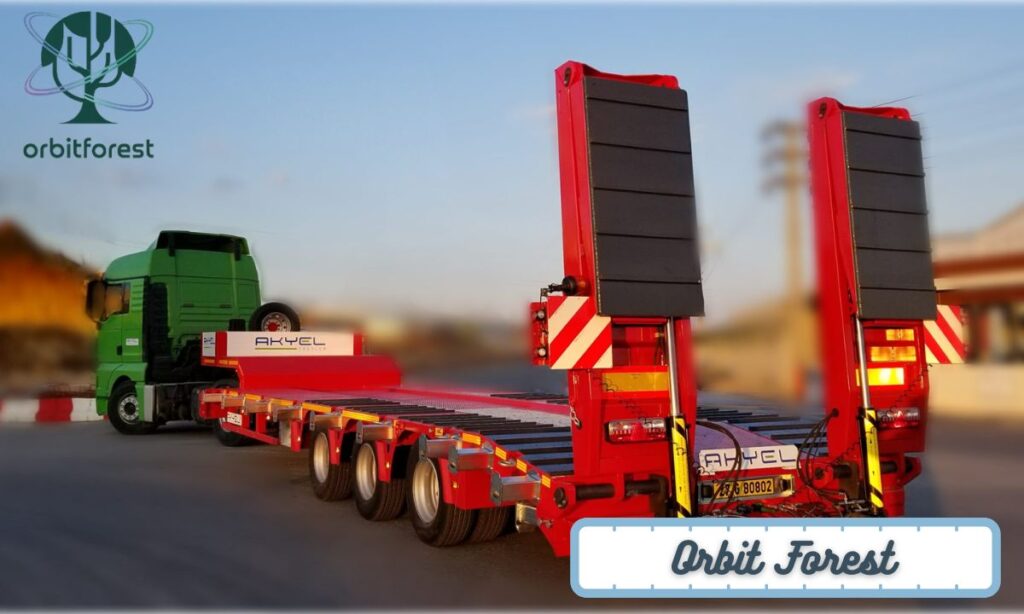
A semi-trailer usually measures around 48–53 feet long. Two trailers parked end to end stretch close to 100 feet. These large transport vehicles provide a practical example of long-distance measurements.
1.5 Cricket Pitches
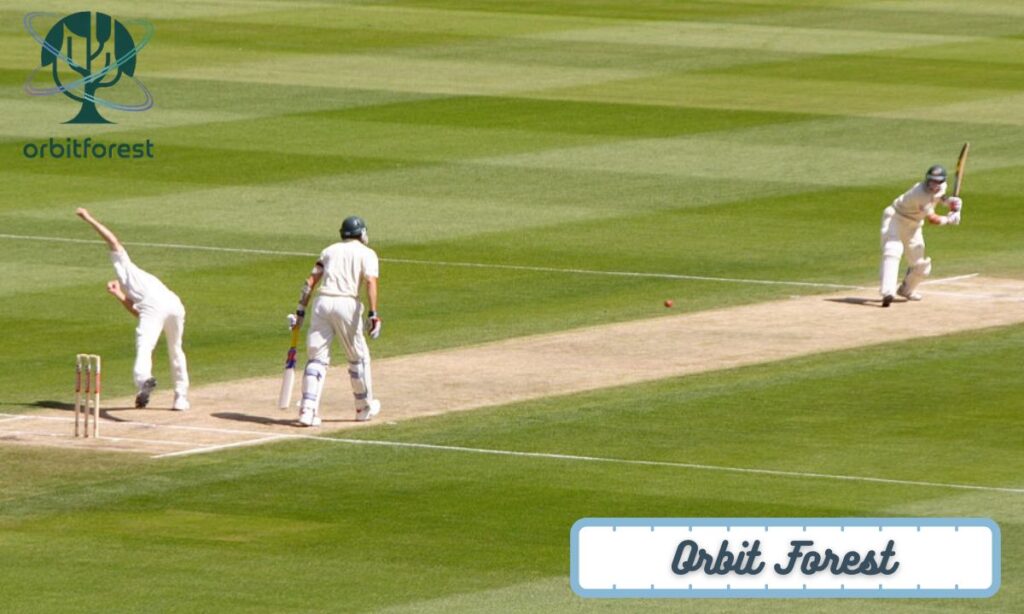
A cricket pitch measures 66 feet in length. One and a half cricket pitches equal almost 100 feet. This example is especially useful for cricket fans and players.
1 and 1/3 of a Bowling Lane
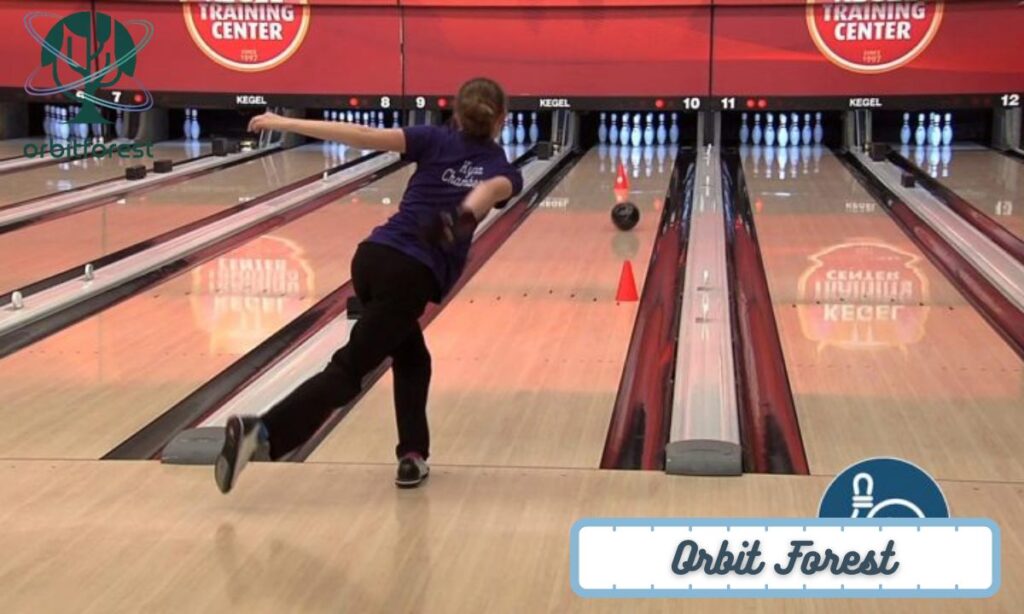
A standard bowling lane measures 60 feet from the foul line to the pins. Extending the lane by one-third creates a total distance of roughly 100 feet. This gives bowlers an easy way to understand the measurement visually.
How Long is 100 Feet to Walk?
Walking 100 feet does not take very long. At an average walking speed, most people cover this distance in around 20–30 seconds.
| Walking Speed | Time to Walk 100 Feet |
| Slow Walk | 34 seconds |
| Average Walk | 23 seconds |
| Fast Walk | 17 seconds |
This makes 100 feet a manageable distance for walking, sports, and everyday movement.
Why to use the Foot?
The foot remains one of the most widely used measurement units in countries like the United States. It is commonly used in:
- Construction
- Architecture
- Sports fields
- Real estate
- Aviation
Feet are easy to visualize because they closely relate to human scale and everyday surroundings.
Conclusion
One hundred feet may sound like a simple measurement, but it becomes much more impressive when compared to real-life objects. From blue whales and airplanes to basketball courts and tall trees, these examples make it easier to understand how far 100 feet actually stretches.
Whether you are estimating distance, learning measurements, or improving general knowledge, these comparisons provide a practical and memorable way to visualize 100 feet in everyday life.
Frequently Asked Questions
How long is 100 feet in meters?
100 feet equals 30.48 meters.
How many cars equal 100 feet?
About 6–7 average cars parked bumper to bumper equal 100 feet.
Is 100 feet longer than a basketball court?
Yes. A standard basketball court is 94 feet long.
How many steps is 100 feet?
Most people walk 100 feet in around 35–40 average steps.
How far is 100 feet on a football field?
It is equal to one-third of a standard football field.

David is the founder of Orbit Forest.com, a site dedicated to Measurement and clever wordplay. He loves turning language into laughter and making words wonderfully witty.